Thomas Bartholomew
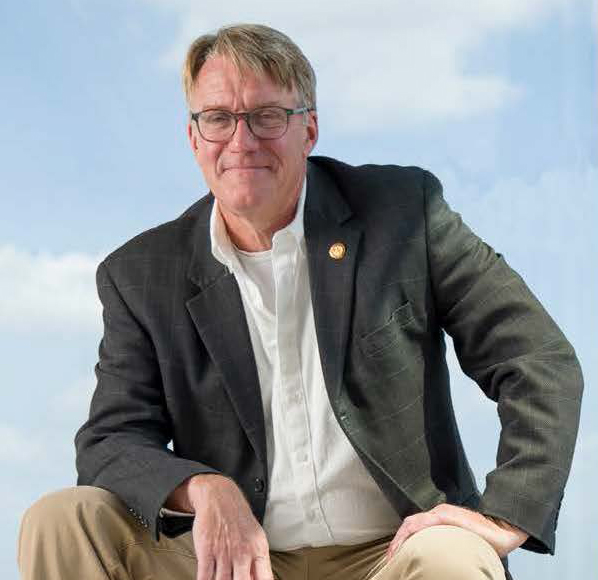 Dr. Bartholomew has been working in the field of psychiatric rehabilitation since 1988. He has worked as a caseworker in a clubhouse. He was a residential coordinator of a supportive housing agency with numerous group homes, supportive housing sites and a respite unit. He was also a program director of a partial care program.
Aubrey Daniels
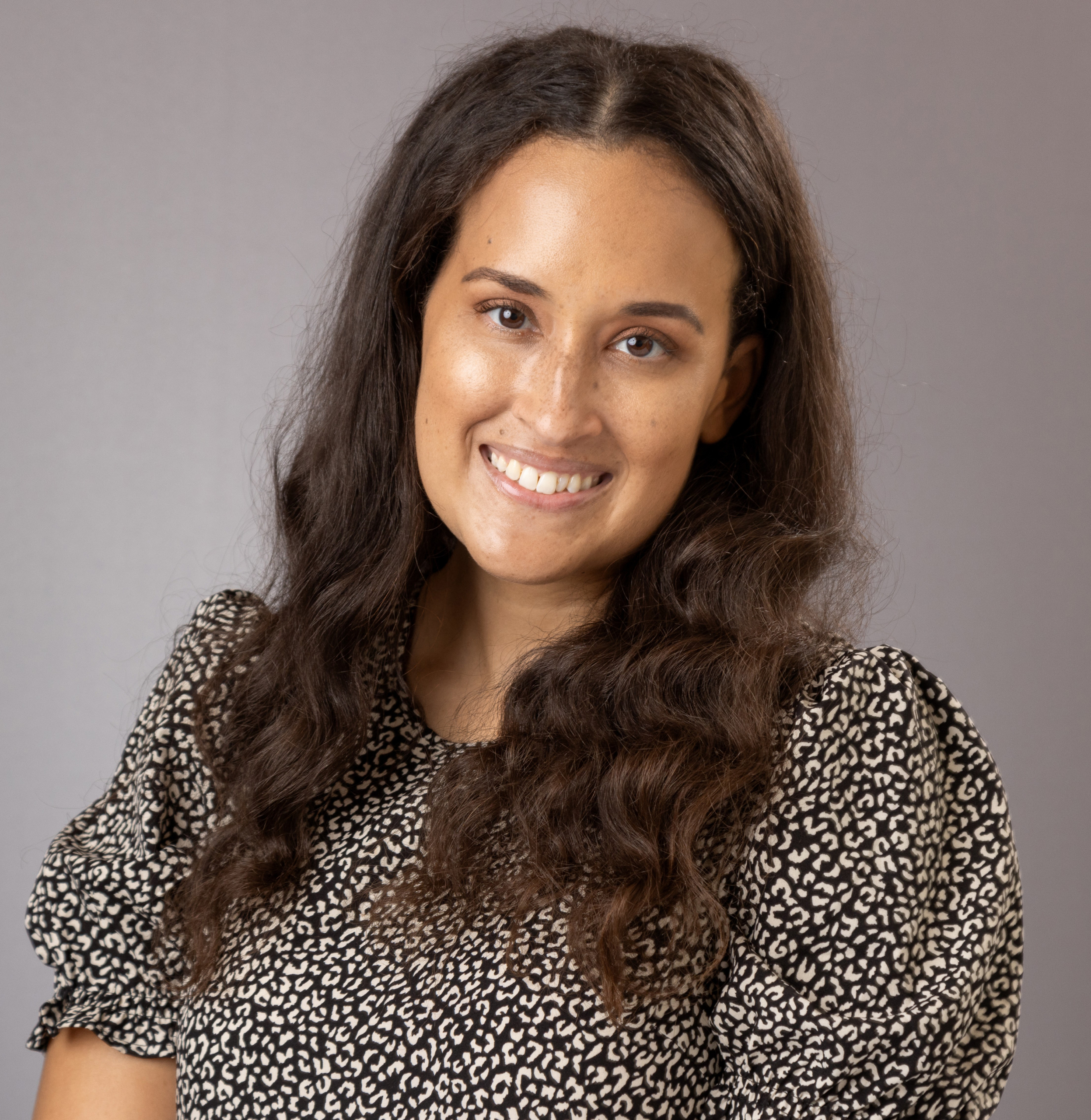 Dr. Aubrey Daniels is an Assistant Professor in Rutgers School of Health Professions’ Department of Psychiatric Rehabilitation and Counseling Professions. Her research focuses on trauma and its short- and long-term effects on individuals, families, and communities.
Dr. Daniels examines complex trauma and racial trauma, including their relationships to depression, anxiety, eating disorders, suicidality, and other trauma-related responses.
Dr. Aubrey Daniels is an Assistant Professor in Rutgers School of Health Professions’ Department of Psychiatric Rehabilitation and Counseling Professions. Her research focuses on trauma and its short- and long-term effects on individuals, families, and communities.
Dr. Daniels examines complex trauma and racial trauma, including their relationships to depression, anxiety, eating disorders, suicidality, and other trauma-related responses.
Ni Gao
 My interests in psychiatric rehabilitation research about individuals experiencing mental illness began during my 15 years of providing and managing clinical services in the community before joining Rutgers. My research focuses on identifying barriers and developing interventions to improve conditions of this population.
Kenneth Gill
 Dr. Gill’s research interests encompass a broad range of topics with the psychiatric rehabilitation of persons with serious mental illnesses. These include evidence based and promising practices in terms of employment, education, health and wellness promotion, and techniques to promote community integration, quality of life, and recovery. In addition, he has a strong interest in the educational techniques and approaches that promote practitioner development through academic and other educational approaches.
Christina Kang-Yi
 The mission of Dr. Kang-Yi’s research is to promote mental health and wellbeing of individuals with psychiatric needs. For this mission, Dr. Kang-Yi partners with publicly funded agencies to identify priorities and critical problems, examine implementation and outcomes of interest, and develop ways to scale effective programs.
Weili Lu
 A major area Dr. Lu’s lab focuses on is cognitive behavioral therapy (CBT) interventions for individuals with psychiatric disabilities and comorbid PTSD. The research centers on trauma, trauma-informed care and PTSD, with an emphasis on individuals with serious mental illness with co-morbid PTSD. Our work in this lab has explored how trauma may impact occupational functioning (education/employment) for persons with psychiatric disabilities.
Ann Murphy
 My research focuses on improving the lives of young people and adults with mental health conditions via the development, evaluation, and implementation of evidence-based practices. Specifically, I focus on: the development of the behavioral health workforce, implementation science, and interdisciplinary education to enhance the capacity of future health professionals to adequately address the needs of individuals with serious mental illnesses.
David Roe
 David Roe’s research is dedicated to improving the lives and recovery of people with serious mental illness by advancing person-centered, recovery-oriented mental health care. His work examines the psychosocial processes that influence recovery and how mental health interventions and services can better reflect the needs, perspectives, and experiences of the people who use them.
Vaishali Singhal
 Dr. Singhal investigates why individuals with serious mental illness experience significantly poorer oral health than the general population and develops strategies to reduce these disparities. Her research examines both patient-related barriers and healthcare system barriers while promoting collaboration between dental and mental health professionals.
Anthony Zazzarino
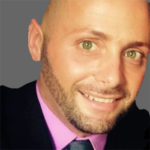 The mission of my research is to improve the quality of services that will improve the lives of affectional and gender diverse individuals with and without a serious mental illness.
Michelle Zechner
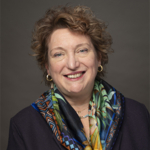 Dr. Zechner’s research is focused on improving health and wellness of people living with chronic conditions and their caregivers, especially older adults. It includes the development of programs focused on multi-domain wellness for people with mental health conditions, caregivers of people with dementia, motivation for physical activity for people living with mental health conditions, implementation of best practices in inpatient psychiatric settings and use of peer health coaching strategies.
Frederick Coffman
 Areas of focus include the synergistic enhancement of TNF-mediated tumor cell killing by specific classes of DNA topoisomerase II inhibitors, the function of the chitinase family protein YKL-40 as a tumor cell survival factor, the regulation of DNA replication initiation in leukemia cells, and most recently disease-related informatics projects and laboratory-based investigations into differences in the biophysical properties of low grade and highly malignant cancer cells.
Suril Gohel
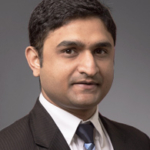 Neuroinformatics lab at Rutgers focused on understanding human brain function during resting state and in task conditions, and how it is disrupted by cognitive challenges and in neuro-clinical populations. Specifically, we use multiband neuroimaging data to understand and quantify frequency specific changes in functional brain integration.
Priyadarshini Kachroo
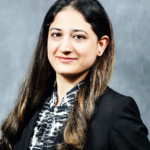 Dr. Kachroo’s lab develops computational methods to identify clinically relevant multi-omic biomarkers with a focus on primordial prevention central to respiratory disease outcomes and other complex age-associated inflammatory diseases.
Antonina Mitrofanova
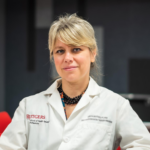 My laboratory develops computational algorithms to elucidate genomic, transcriptomic, and epigenomic mechanisms of therapeutic resistance in oncology and to identify optimal treatment strategies for cancer patients.
Zhaomeng Niu
 Dr. Niu’s research lab focuses on the intersection of media psychology and behavioral science, particularly in the context of new media technologies and health.
Suchismita Ray
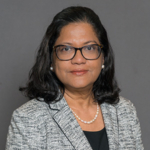 The mission of the Addiction Neuroimaging Lab is to elucidate the neurocognitive mechanisms underlying addictive behaviors by utilizing cognitive tasks, functional magnetic resonance imaging and computational tools.
Barbara Tafuto
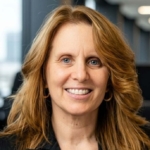 Barbara Tafuto, Ph.D. is an Assistant Professor at the Rutgers School of Health Professions. She teaches advanced courses in Clinical Research Management and Heath Informatics. Barbara is also an Element C module co-lead for the New Jersey Alliance for Clinical and Translational Science (NJ ACTS). In this role, Barbara (1) develops the Clinical Research Management Workforce Educational Webinar Series, (2) mentors interns, and (3) conducts research designed to understand the effects training and education has on the clinical research workforce.
Laura Byham-Gray
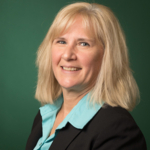 Dr. Byham-Gray investigates methods to prevent, diagnose and treat protein-energy wasting (PEW)
in patients with chronic kidney disease. Her research focuses primarily on energy metabolism and body composition.
Shristi Rawal
 Dr. Rawal’s research takes a life-course approach to examine and address the nutritional and biopsychosocial risk factors of cardiometabolic diseases. To this end, one line of her research explores how taste and smell perception changes with exposures across the life span (e.g., smoking, viral infections), and act as biological drivers or markers of dietary behaviors and cardiometabolic disease risk.
Joachim Sackey
 One of the main areas of research for Dr. Sackey is food & nutrition insecurity and food access. His research focuses on the experiences and challenges of LGBTQIA+ individuals, people living with HIV and college students, who are often at higher risk of food insecurity than the general population.
Hamed Samavat
 Dr. Samavat’s primary research interest falls into how potentially modifiable factors, such as diet, nutrition, inflammation, and hormonal exposures, influence women’s health across the lifespan. He has have conducted chemoprevention and nutritional and cancer epidemiology research utilizing clinical trials and large prospective cohort studies funded by NIH/NCI.
Jose Centeno
 My research directions respond to critical professional challenges in speech-language pathology resulting from national and global demographic and epidemiological trends.
Aaron Dallman
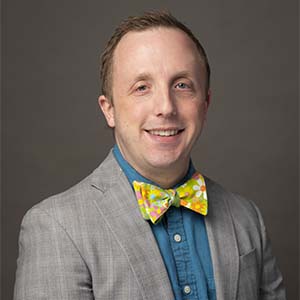 My lab is a community-engaged, neurodiversity‑affirming research program that develops and tests mobile health (mHealth) and learning health system approaches to reduce healthcare inequities for autistic individuals, people with Down syndrome, and others with intellectual and developmental disabilities.
Jean-Francois Daneault
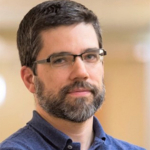 Our research focuses on better understanding motor behavior in health and disease using technology in order to improve/optimize movements of individuals with chronic diseases, such as Parkinson’s disease, Huntington’s disease, dystonia, cerebral palsy, and stroke, through physical therapy and exercise. His laboratory tools include motion capture, wearable sensors, electromyography, brain stimulation, and neuroimaging.
Judith Deutsch
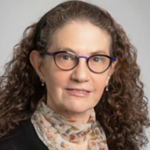 The RiVERS lab is an inter-disciplinary applied rehabilitation research lab. We study motor control, behavioral and neural plasticity that form the basis of rehabilitation science. We document the validity and efficacy of interventions that will accelerate recovery of mobility and fitness for individuals with neurologic conditions.
Gerard Fluet
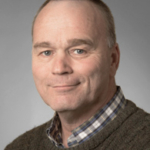 Our lab has produced several systems utilizing haptically rendered virtual environments that present intensive motor training interventions designed to normalize arm and hand function. We have designed and tested lab-based, hospital based and now home based equipment.
Soha Saleh
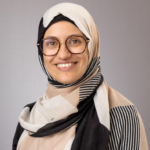 The NeuREI lab applies knowledge of neurophysiology to advance rehabilitation research. Its mission is to improve function and quality of life for individuals with motor and cognitive disabilities.
Nima Toosizadeh
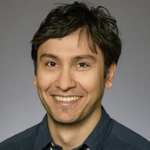 Dr. Toosizadeh’s research focus is computational model, sensor-based engineering approach, and machine learning tools to diagnose and treat older adults with aging-related conditions, focusing on frailty and cognitive impairment assessment and fall rehabilitation.
Mark Vorensky
 Dr. Vorensky leads the Pain Systems Lab at the Rutgers School of Health Professions. The lab’s overarching mission is to understand, address, and promote equity across the multiple systems, including the biopsychosocial and socio-ecological dimensions, of pain experience.
Nathan Wages
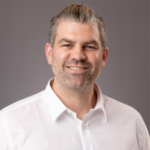 Dr. Wages’ research focuses on pragmatic approaches to identify neuromuscular mechanisms of muscle weakness, physical function/mobility limitations, and fatigue with aging, injury, and neurodegenerative disease.