Thomas Bartholomew
 Dr. Bartholomew has been working in the field of psychiatric rehabilitation since 1988. He has worked as a caseworker in a clubhouse. He was a residential coordinator of a supportive housing agency with numerous group homes, supportive housing sites and a respite unit. He was also a program director of a partial care program.
Aubrey Daniels
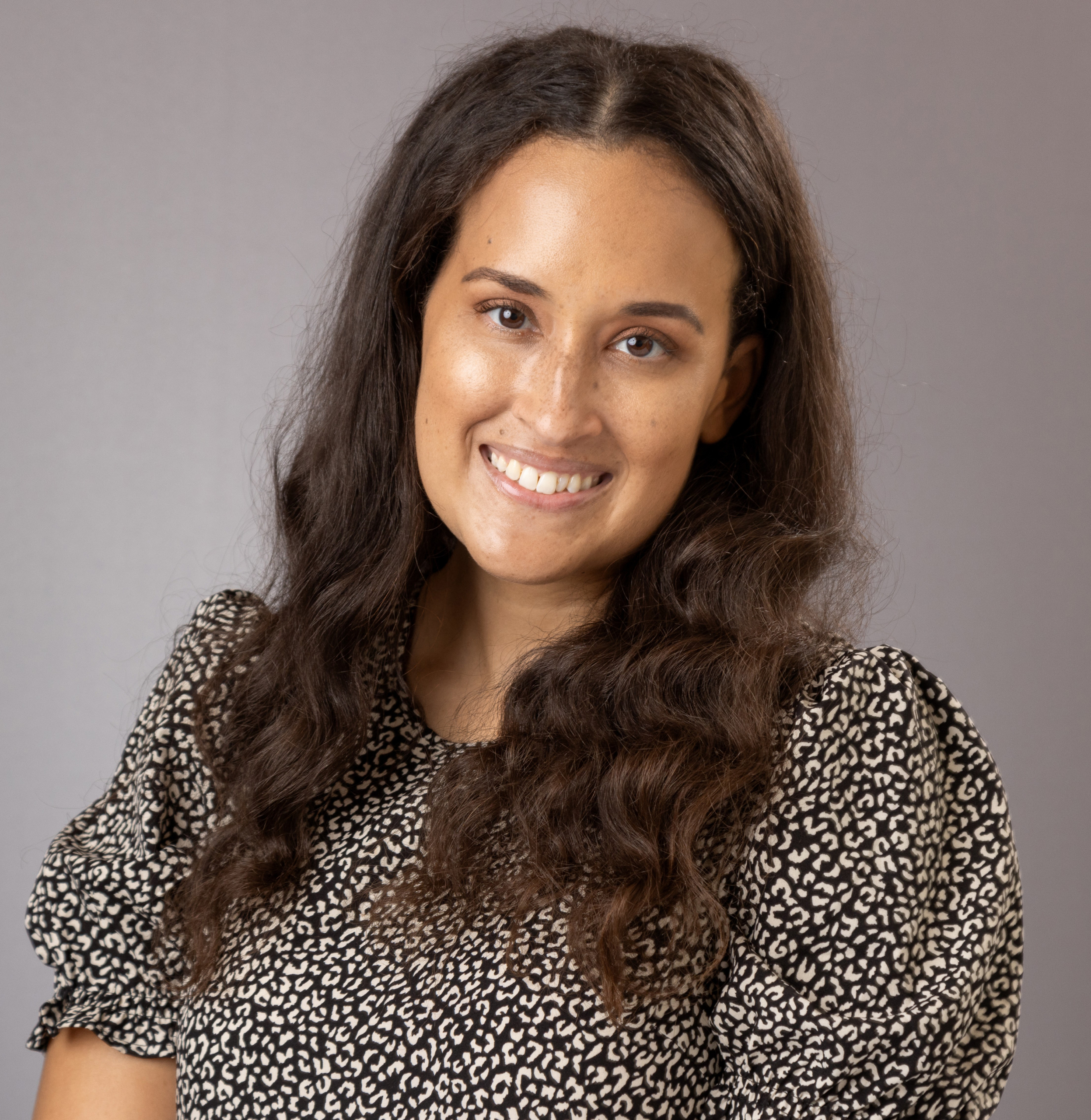 Dr. Aubrey Daniels is an Assistant Professor in Rutgers School of Health Professions’ Department of Psychiatric Rehabilitation and Counseling Professions. Her research focuses on trauma and its short- and long-term effects on individuals, families, and communities. Dr. Daniels examines complex trauma and racial trauma, including their relationships to depression, anxiety, eating disorders, suicidality, and other trauma-related responses.
Ni Gao
 My interests in psychiatric rehabilitation research about individuals experiencing mental illness began during my 15 years of providing and managing clinical services in the community before joining Rutgers. My research focuses on identifying barriers and developing interventions to improve conditions of this population.
Kenneth Gill
 Dr. Gill’s research interests encompass a broad range of topics with the psychiatric rehabilitation of persons with serious mental illnesses. These include evidence based and promising practices in terms of employment, education, health and wellness promotion, and techniques to promote community integration, quality of life, and recovery. In addition, he has a strong interest in the educational techniques and approaches that promote practitioner development through academic and other educational approaches.
Christina Kang-Yi
 The mission of Dr. Kang-Yi’s research is to promote mental health and wellbeing of individuals with psychiatric needs. For this mission, Dr. Kang-Yi partners with publicly funded agencies to identify priorities and critical problems, examine implementation and outcomes of interest, and develop ways to scale effective programs.
Weili Lu
 A major area Dr. Lu’s lab focuses on is cognitive behavioral therapy (CBT) interventions for individuals with psychiatric disabilities and comorbid PTSD. The research centers on trauma, trauma-informed care and PTSD, with an emphasis on individuals with serious mental illness with co-morbid PTSD. Our work in this lab has explored how trauma may impact occupational functioning (education/employment) for persons with psychiatric disabilities.
Ann Murphy
 Mental Health Interventions: The overall goal of my research is to support individuals with mental illnesses to live fulfilling and complete lives in the communities of their choosing.
David Roe
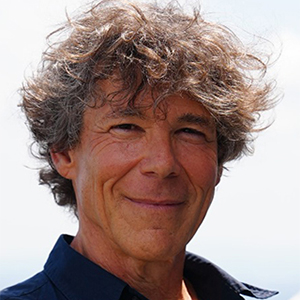 David Roe’s research is dedicated to improving the lives and recovery of people with serious mental illness by advancing person-centered, recovery-oriented mental health care. His work examines the psychosocial processes that influence recovery and how mental health interventions and services can better reflect the needs, perspectives, and experiences of the people who use them.
Vaishali Singhal
 Dr. Singhal investigates why individuals with serious mental illness experience significantly poorer oral health than the general population and develops strategies to reduce these disparities. Her research examines both patient-related barriers and healthcare system barriers while promoting collaboration between dental and mental health professionals.
Anthony Zazzarino
 The mission of my research is to improve the quality of services that will improve the lives of affectional and gender diverse individuals with and without a serious mental illness.
Michelle Zechner
 Dr. Zechner’s research is focused on improving health and wellness of people living with chronic conditions and their caregivers, especially older adults. It includes the development of programs focused on multi-domain wellness for people with mental health conditions, caregivers of people with dementia, motivation for physical activity for people living with mental health conditions, implementation of best practices in inpatient psychiatric settings and use of peer health coaching strategies.