Why Study Clinical Nutrition at Rutgers School of Health Professions?
Our DCN prepares graduates to design, conduct, and analyze practice-based research for use in diverse settings. Through cutting edge nutrition science and research coursework and an advanced clinical nutrition practice residency, our graduates become advanced-level dietetics practitioners and are viewed as leaders in the field of dietetics.
$110,410
* average salary of a Doctor of Clinical Nutrition graduate.
* U.S. Bureau of Labor Statistics
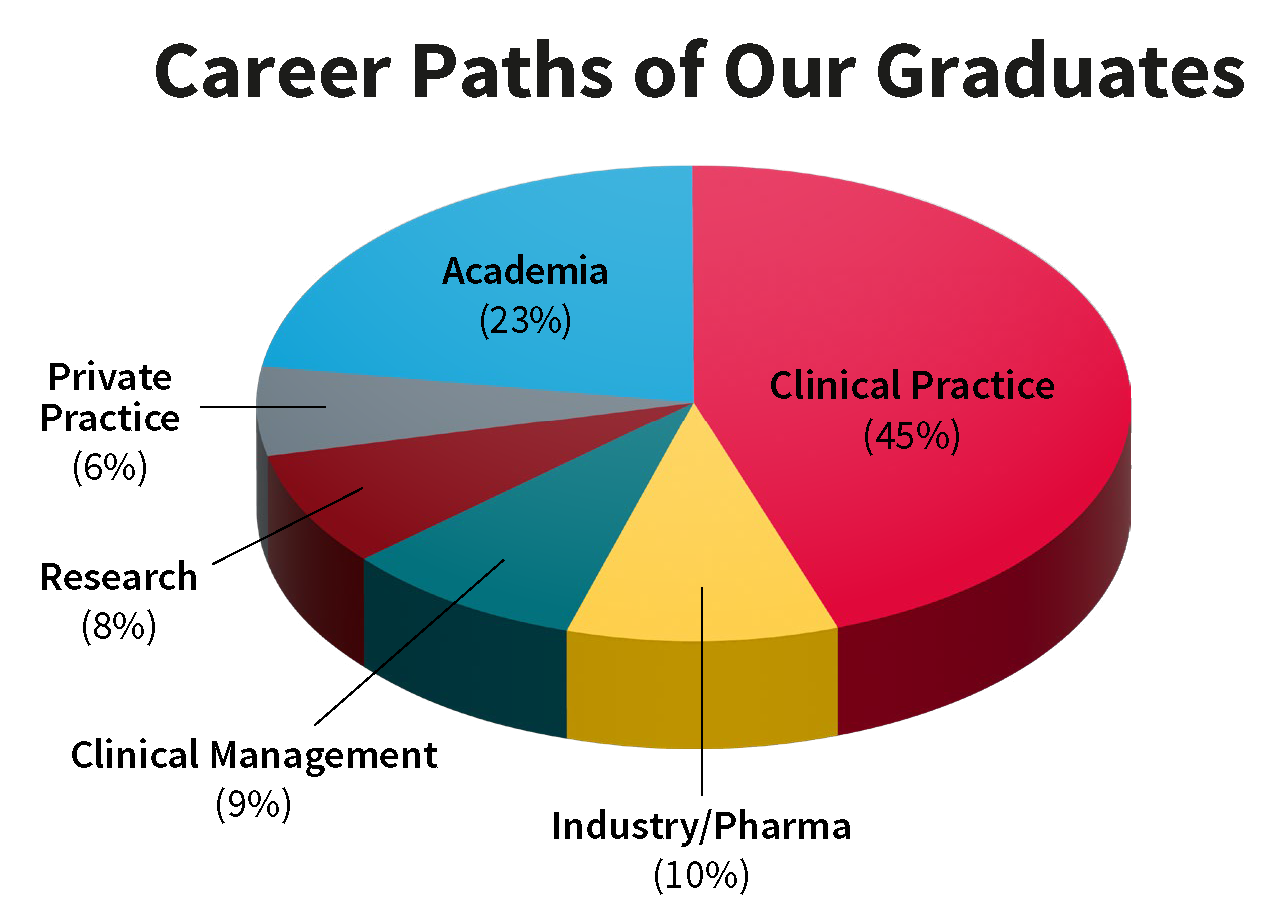
Program Highlights
Our clinical nutrition doctoral program instills an appreciation for advanced clinical practice and research. Students complete a practice-based research project and a residency. A 15 credit research curriculum and faculty mentor support result in success in achieving valuable and applicable practice-based research. Approximately 80% of our student research projects are published in high-quality peer-reviewed journals.
Doctor of Clinical Nutrition students complete a 350-hour advanced clinical nutrition practice residency individualized to meet their professional goals and geographic resources. The residency is an approved advanced-practice residency by the Accreditation Council for Education in Nutrition and Dietetics (ACEND).
Students receive in-depth coursework on research methods, statistics, nutrition science, clinical nutrition and leadership.
What Our Students Say
Follow us on Social
Program Overview
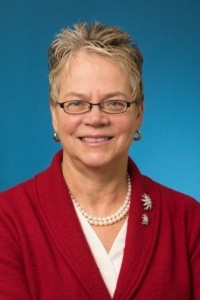
Dr. Jane Ziegler
Program Goals
- Provide an in-depth study of clinical nutrition and evidence-based practice through coursework and an advanced clinical nutrition practice residency that prepares graduates to become advanced-level dietetics practitioners.
- Prepare graduates to design, conduct, and analyze practice-based research for use in diverse settings.
- Develop experts in evidence-based nutrition practice using clinical reasoning and scientific inquiry.
- Foster professional leadership, service, and scholarly efforts.
Admission Criteria
NOTE: RDN credential and to have earned a bachelor’s degree with a minimum of four years of full-time post-credentialing work experience or a master’s degree with a minimum of two years of full-time post-credentialing work experience.
The deadline for admission to the clinical nutrition doctoral program is June 1 for Fall admission.
Admission Requirements
- Prospective students must be Registered Dietitian Nutritionists (RDNs).
- International applicants must hold an equivalent credential that meets US standards by the Commission on Dietetic Registration (www.cdrnet.org).
- A master’s degree, preferably in nutrition or a health-related field (with a minimum GPA of 3.4).
Or a B.S. in nutrition and dietetics with a minimum GPA of 3.4
- Must have at least two years of full time post-credentialing professional experience as a RDN with Master’s Degree
- Must have 4 years of full time post-credentialling professional experience as a RDN with Bachelor’s degree and RDN Credential
- Clinical nutrition doctorate applicants required materials:
- An official copy of the transcripts from the highest degree earned
- If the highest degree is not in nutrition, the transcripts from the nutrition degree must also be included
- RDN Commission on Dietetic Registration (CDR) Number
- Resume or CV
- A letter of intent describing reasons for pursuing the DCN program, research interests, and short- and long-term goals for completing the DCN program
- Two letters of recommendation, one from an individual with a doctoral degree who is familiar with your professional and/or academic achievements.
Applicants who meet the admission criteria for the DCN will be scheduled for an interview with select faculty in the Rutgers SHP Department of Clinical and Preventative Nutrition Sciences.
Questions? Email Program Director Jane Ziegler.
Tuition and Fees
For Tuition and Fees, please see the Graduate Tuition and Fees.
(Scroll down to 2025-2026 Rutgers Health Tuition and Fee Rates and click on School of Health Professions)
Curriculum
Clinical nutrition doctoral program online courses are supplemented with face-to-face virtual meetings and one on-campus visits. We focus on advanced clinical nutrition practice, assuring that RDNs are integral members of the health care team in any practice setting. Students complete didactic courses, an advanced clinical nutrition practice residency, and a practice-based research project.
Our 50-credit clinical nutrition doctoral program, which can be taken on a part-time basis (9 to 15 credits/year), generally takes approximately four to five years to complete, depending on semester credit loads.
For Students
Resources and Quicklinks
Department Social Media
- Facebook – Rutgers SHP – Department of Clinical and Preventive Nutrition
- LinkedIn Clinical and (graduate Programs in Clinical Nutrition) Preventive Nutrition Sciences
Rutgers Alumni Community
Where students and alumni can connect and network
Open House / Information Sessions
Take the next step in your Health Professions Career
You’ll have the opportunity to speak directly to program directors, esteemed faculty, and admissions counselors.
Our Faculty
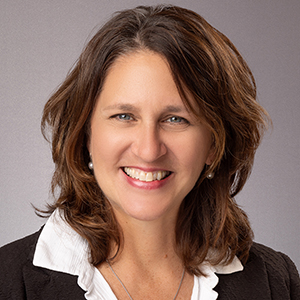
Jennifer Bridenbaugh, DCN
Assistant Professor

Rebecca Brody, Ph.D.
Professor
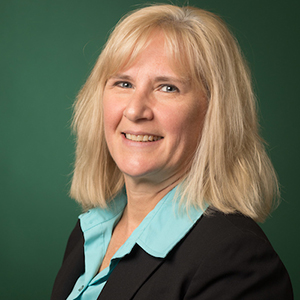
Laura Byham-Gray, Ph.D.
Professor

Patrice Paolella
Lecturer
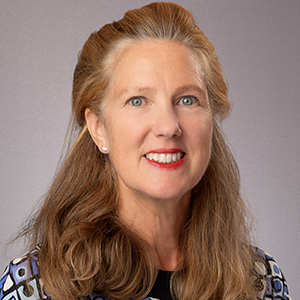
Diane Rigassio Radler, Ph.D.
Professor

Shristi Rawal, Ph.D.
Assistant Professor

Joachim Sackey, Ph.D.
Associate Professor
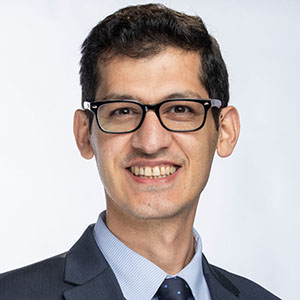
Hamed Samavat, Ph.D.
Associate Professor

Jennifer Tomesko, DCN
Associate Professor

Jane Ziegler, DCN
Professor
Interim Chair