
Creating Moments of Calm
Faculty Initiatives Bring Wellness Practices Into the Workplace
Yoga, mindfulness, meditation, watercolor painting, and storytelling are helping faculty and staff across Rutgers School of Health Professions connect, recharge, and cultivate well-being at work.
Through three Joy at Work mini-grants awarded by Rutgers Health, SHP faculty have developed programs designed to lower stress, foster community, and encourage reflection among colleagues. The grants were awarded for the 2025-26 school year.
Connection and Wellness
Across the Department of Rehabilitation and Movement Sciences, twice-monthly hybrid sessions focused on movement, meditation and reflection are bringing faculty together across three programs.
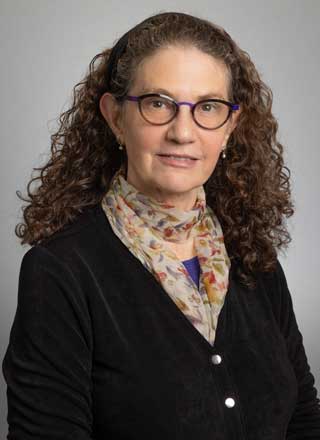 Called Satsang for Connection and Wellness, the program was developed by Judith Deutsch, professor in the department, with support from a Joy at Work mini-grant aimed at enhancing workplace well-being.
The sessions, which include an asana yoga practice, provide participants with an opportunity to pause, connect with colleagues, and focus on self-care in a supportive environment.
The response has been very positive. Participants requested that the program continue through the summer, and Deutsch has now expanded it to the entire School of Health Professions. “We even have a Brazilian Ph.D. student who was here when we started and now joins us remotely from Brazil,” said Deutsch.
Mindfulness Art Tuesdays
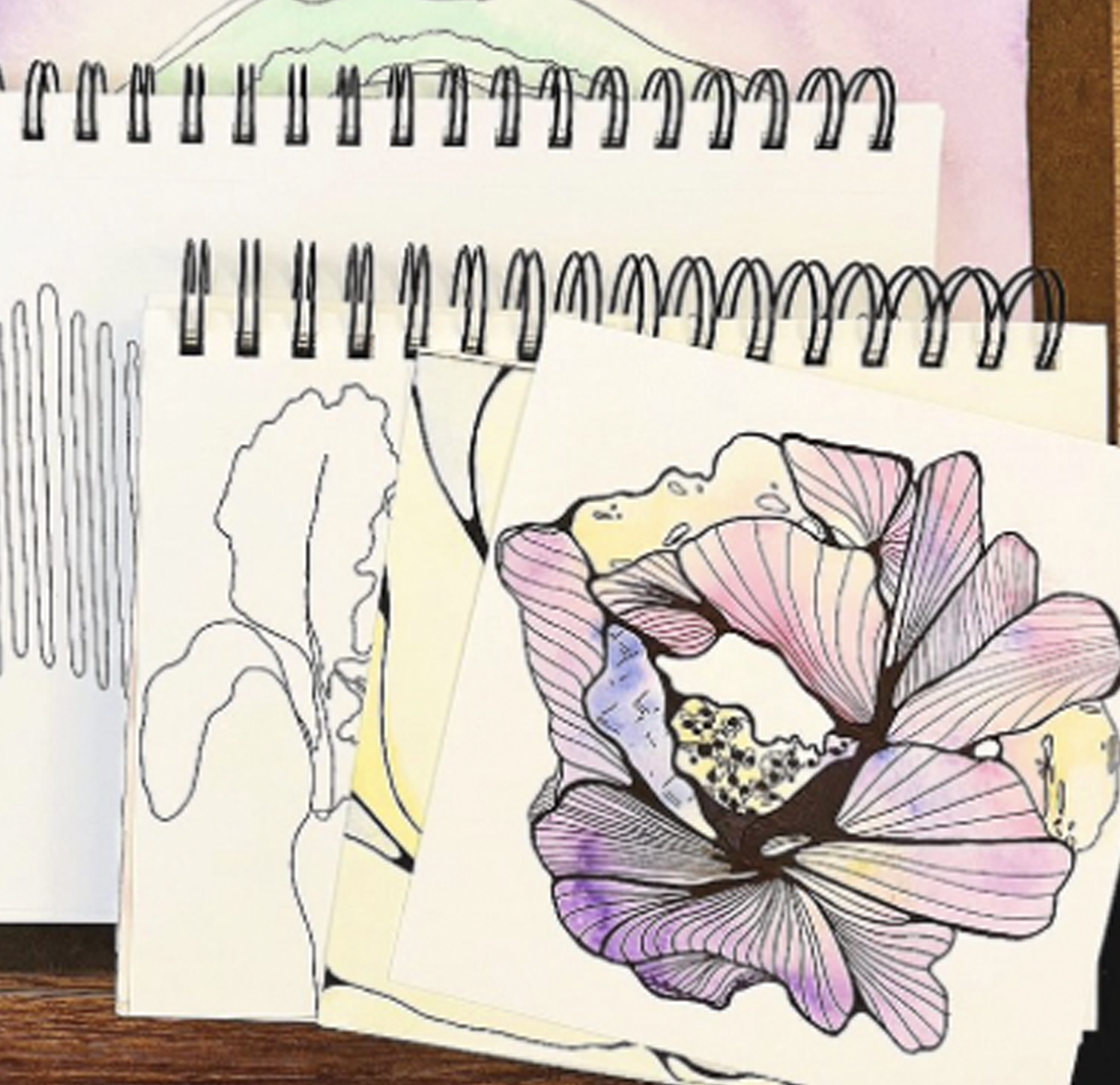
Watercolor painting, reflection, and conversations over coffee became part of a weekly mindfulness practice through Mindfulness Art Tuesdays, a program developed by Rahul Mittal, assistant professor in the Department of Health Informatics.
Inspired by the Swedish tradition of fika—a purposeful pause for reflection and connection—the program created a space where faculty and staff could step away from meetings and competing demands to slow down, strengthen ties with colleagues, and recharge.
Through art and informal discussion, participants found opportunities for creative expression while building relationships across departments and roles.
The impact was significant, according to Mittal. Nearly all participants rated the experience as excellent, and every participant reported valuing the opportunity for collegial connection. Many cited stress relief and emotional restoration among the program’s greatest benefits.
“Participants consistently expressed interest in expanded and sustained programming,” said Mittal. “Feedback highlighted improved morale, meaningful interpersonal connection, opportunities for reflection, and appreciation for having dedicated time to slow down and engage creatively with colleagues outside of routine clinical and administrative responsibilities.”
Cultural Harmony Circles
While other projects focused on mindfulness and creative expression, Cultural Harmony Circles explored the connection between culture and wellness.
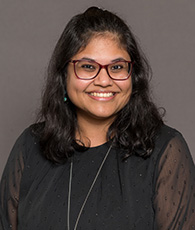 Developed by Rhea Banerjee, assistant professor in the Department of Psychiatric Rehabilitation and Counseling Professions, the program brought together faculty and staff from across Rutgers Health to examine how culture shapes well-being, resilience, and belonging.
Through a series of virtual gatherings held throughout the spring semester, participants engaged in reflective discussions, experiential activities, and guest-led workshops focused on topics such as rituals of care, resilience across cultures, mindfulness, storytelling, movement-based stress reduction, and embodied wellness practices.
Guest speakers with expertise in trauma-informed mindfulness, yoga, embodied care, and stress reduction enriched the experience and introduced participants to a variety of culturally grounded approaches to well-being.
A major outcome of the project was the creation of a Cultural Wellness Toolkit, a collaborative resource developed through participant contributions. The toolkit includes grounding practices, collective care strategies, workplace wellness ideas, and culturally rooted wellness practices that participants said they found meaningful in their daily lives and work environments.
Participants reported feeling more engaged, reflective, and supported because of the program. Many said the circles provided an opportunity to slow down, share experiences across cultures, and engage in wellness practices that felt personally meaningful rather than prescriptive. Several participants also noted that the discussions prompted them to think differently about workplace well-being and belonging.
In addition to participating in the sessions, attendees received wellness kits containing reflective materials and resources connected to the themes explored throughout the series.
Although the formal program has concluded, the Cultural Wellness Toolkit will remain available as a living resource that participants can continue to use and contribute to beyond the grant period.