
Rutgers Trailblazer Continues to Shape the Future of Laboratory Medicine and Patient Care
An infant with a brain bleed arrived in the emergency room, and the physician on call faced a concerning question: Could the injury have been caused by abuse?
He didn’t think so. The parents’ behavior and presentation did not raise red flats. He needed to be sure, so he reached out to Brandy Gunsolus.
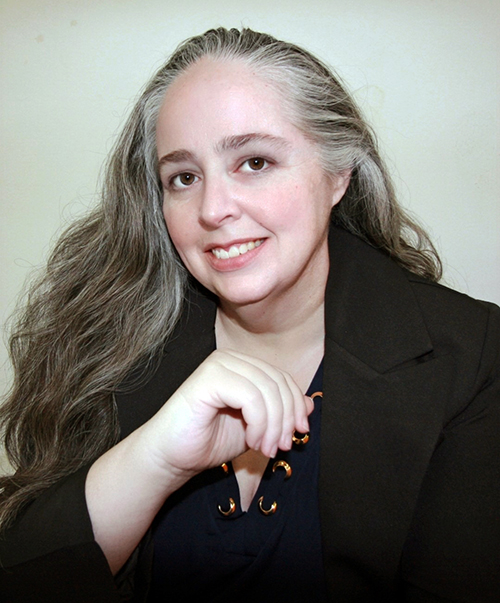
Gunsolus, the nation’s first practicing doctoral graduate in clinical laboratory science, works with physicians to help them use laboratory testing more effectively.
In this case, the physician wanted to know whether testing could rule out an inherited bleeding disorder or other underlying condition.
Gunsolus and her team developed personalized testing for the child. The results pointed to a diagnosis: the infant had severe hemophilia.
“We were able to keep that child out of foster care, keep charges from being filed against a parent and get the child the treatment they needed,” said Gunsolus. “Being able to work with the physician had an impact on the entire family.”
That experience—and many others like it—have underscored the value of bringing laboratory scientists out of the lab and into the patient care team.
In 2018, when Gunsolus became the first graduate of Rutgers School of Health Professions’ Doctor of Clinical Laboratory Science (DCLS) program, her advanced degree was designed to prepare laboratory professionals to work directly with physicians to strengthen diagnostic decision-making.
Today, as pathology laboratory utilization manager and director of DCLS residency programs at Wellstar MCG Health Medical Center in Augusta, Georgia, Gunsolus continues to bring that perspective to patient care—helping physicians ask better questions, choose the right tests and make more informed diagnoses.
She also leads system-wide initiatives that improve the quality, efficiency and value of laboratory testing across the health care system.
Her influence extends beyond her hospital. Gunsolus has become a nationally recognized leader in laboratory medicine, authoring numerous scholarly publications, presenting her work at conferences around the world and educating health care professionals through lectures, podcasts and media appearances. During the COVID-19 pandemic, she helped translate complex laboratory science for the public through local and national television interviews, including appearances on CNBC.
Gunsolus also has played an important part in launching the profession internationally. She helped establish doctoral-level clinical laboratory science programs in places such as Kenya and Saudi Arabia, bringing the DCLS model—and the role of the laboratory professional as an active partner in patient care—to new parts of the world.
That expansion is especially meaningful to Gunsolus because the challenges she was trained to address are not unique to the United States.
“Everywhere has problems with laboratory utilization, with physicians not having the time to learn every new test and how to interpret those tests in the context of each individual patient’s case,” she said.
“It’s been amazing to see how individuals throughout the world have been able to impact care. I never would have had the opportunity to participate in this and see it grow without this degree.”
Gunsolus is committed to preparing the next generation of laboratory medicine professionals. Since 2019, she has served as an adjunct assistant professor in Rutgers’ DCLS program, helping develop curriculum, mentoring students and serving as a residency preceptor for doctoral candidates completing their clinical training at Wellstar.
For Gunsolus, the growth of the DCLS profession—from the first doctoral program at Rutgers to a model being adopted internationally—represents what can happen when laboratory expertise becomes an integral part of patient care.
And for the patients whose diagnoses depend on asking the right questions and ordering the right tests, that can make all the difference.