TRUE GRIT
Helping Young People with Spinal Cord Injuries Reclaim Independence
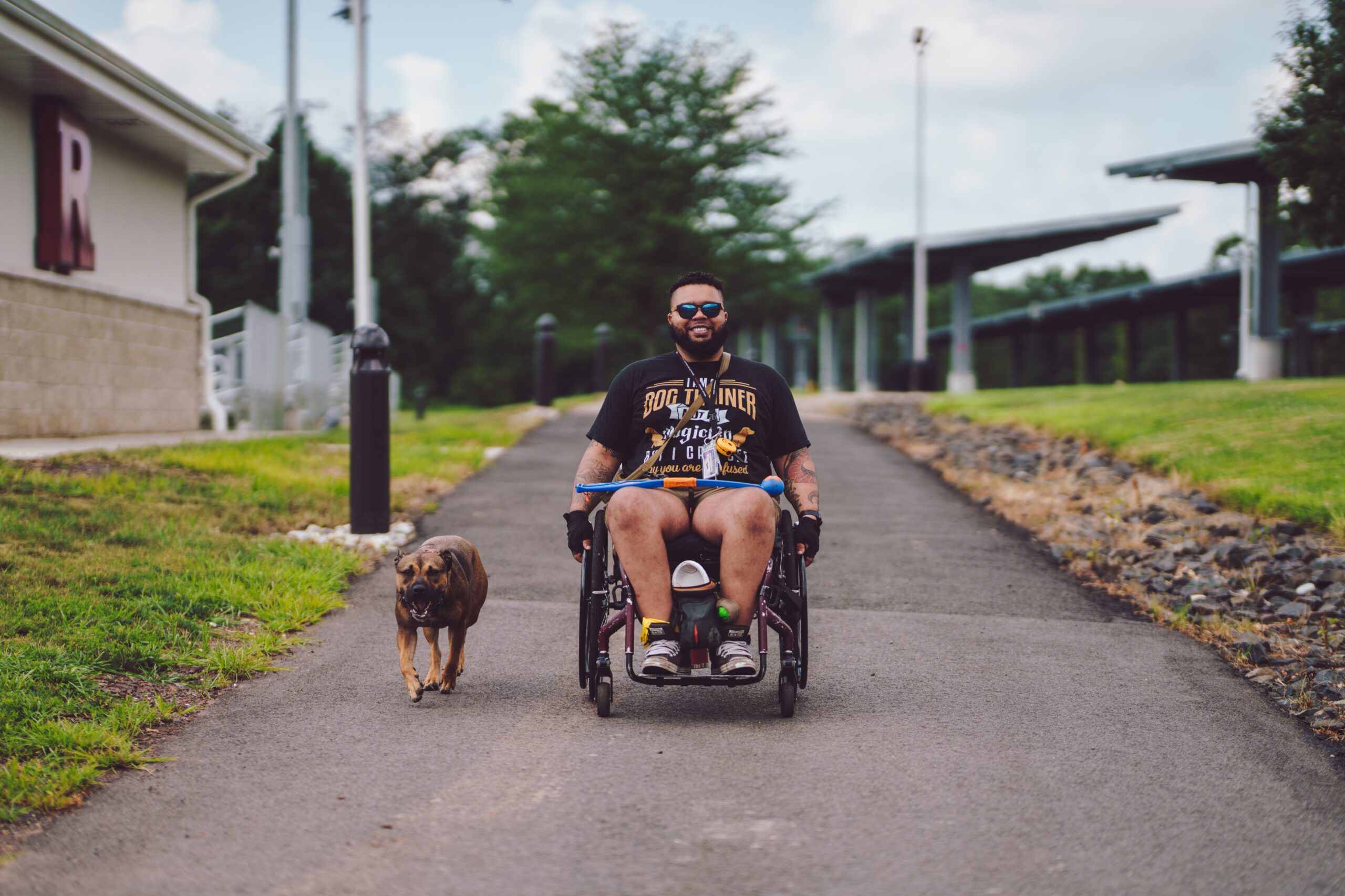
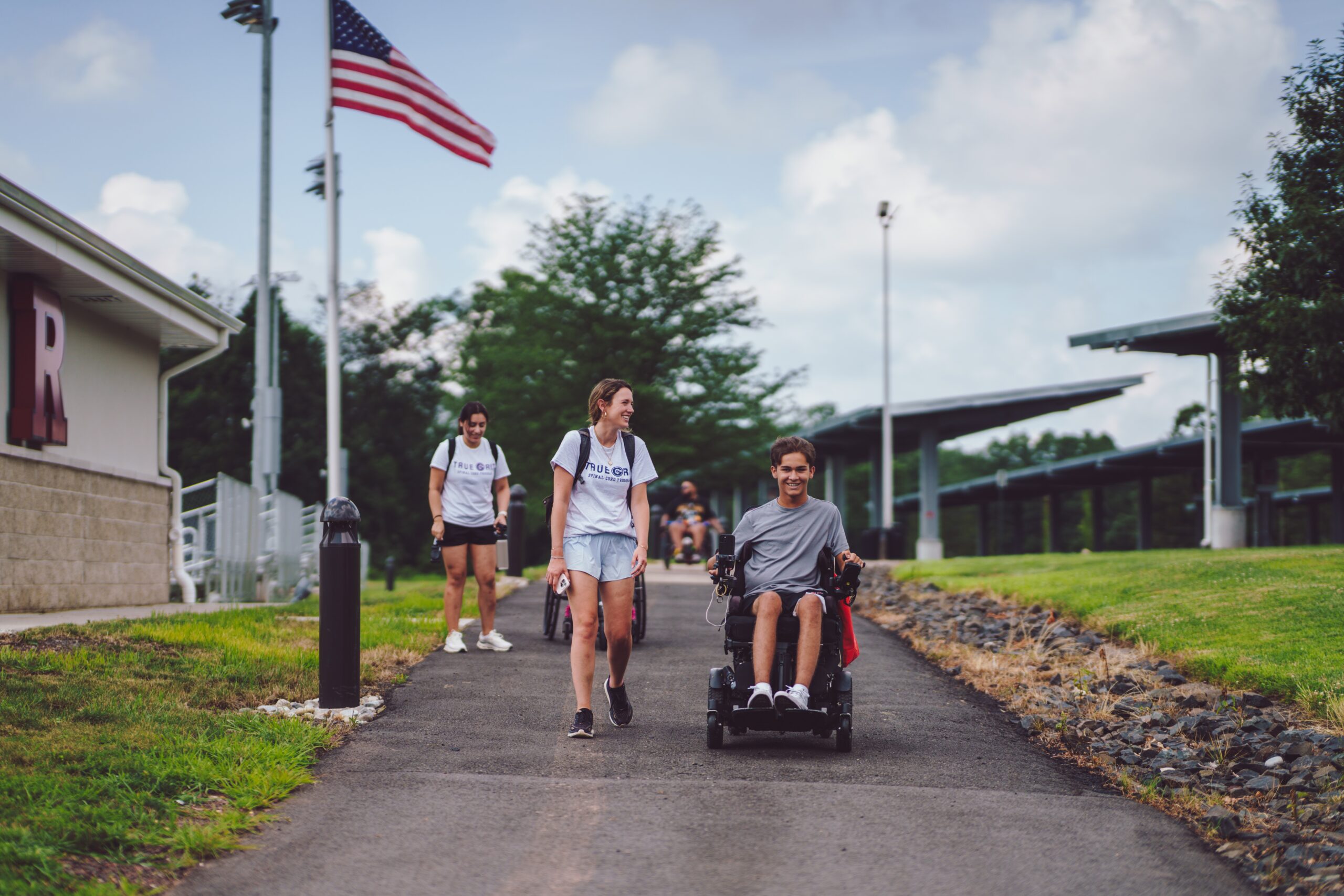
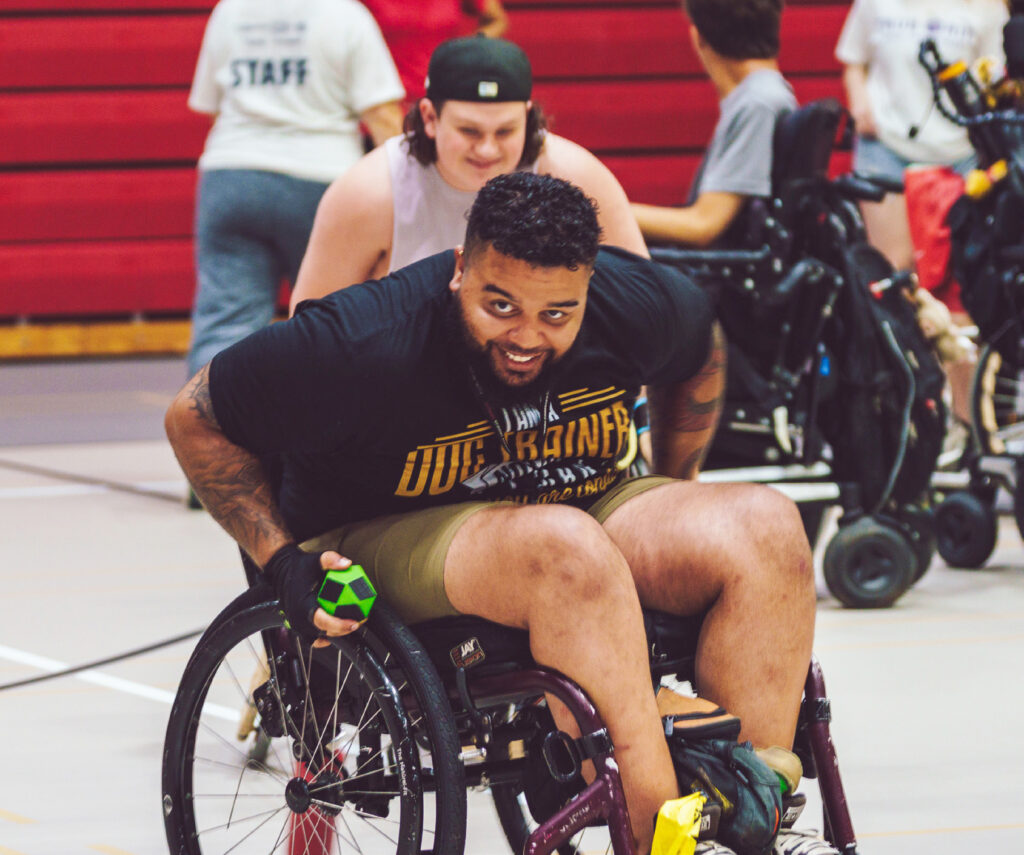
On a summer morning at Rutgers’ Livingston Campus, a group of teens and young adults in wheelchairs roll across the quad, heading to breakfast in the dorm dining hall. Later, some will take part in adaptive sports. Others will swap stories over coffee at the campus Starbucks.
All are part of True Grit—a first-of-its-kind residential summer camp that helps young people with spinal cord injuries rediscover confidence, community, and a sense of possibility.
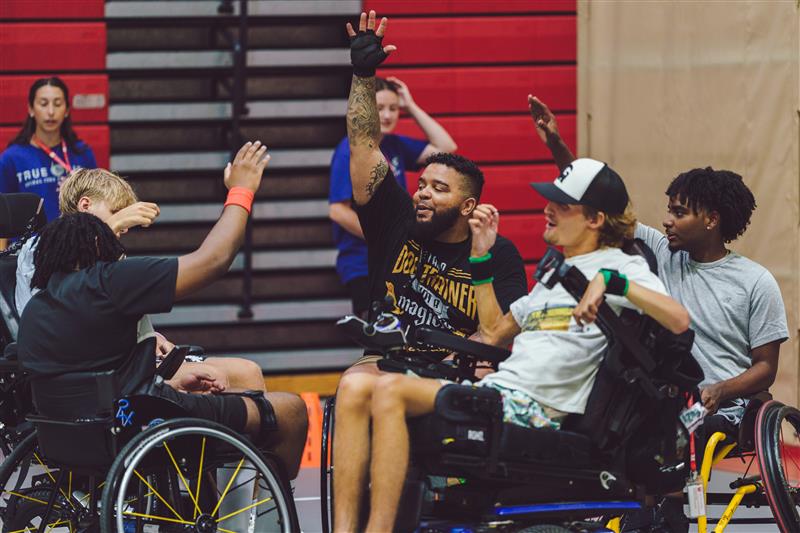
Many of the participants, aged 16 to 21, were athletes before their injuries—football players, cheerleaders, competitors used to working in teams. Now, navigating life in a wheelchair, they’re coming together to build new teams, new routines, and hope for their future.
“After an injury, everything can feel like it’s been stripped away—your identity, your independence,” said Keara McNair, M.S., clinical lecturer and capstone project manager in the Department of Rehabilitation and Movement Sciences in Rutgers School of Health Professions (SHP), who leads the program. “One of our campers told us, ‘I felt like I was back on the team again.’”
Run by SHP, in collaboration with RWJBarnabas Health Children’s Specialized Hospital, the True Grit Spinal Cord Injury Program fills a gap in care for young people transitioning to adulthood after spinal cord injury (SCI). While traditional rehab focuses on recovery, True Grit helps participants imagine what comes next—college, careers, relationships, and independent living.
Now in its second year, the program includes not only the immersive summer camp experience, but also single-day events, such as a beach day where participants can enjoy adaptive surfing, swimming, and accessible beach access, as well as year-round support for families.
Among the returning campers this summer was Isaac Lima, a former cheerleader from New Jersey who suffered a spinal injury at age 14 after a fall during a stunt. Paralyzed from the chest down, he first attended True Grit in 2024, which marked his first time away from home since the injury. He returned in 2025, joining two other returning participants from Tennessee and Massachusetts.
“Being here, it gave me like that push to say, ‘Oh, I can do it. I can go to a college. I can go to the classrooms,’” Isaac said in an NJ Spotlight News segment that aired on PBS in July.
True Grit also provides a learning experience for students. This year, 25 Rutgers students helped support the program including four counseling students from our Department of Psychiatric Rehabilitation and Counseling, three occupational therapy assistant (OTA) students, and more than 10 Doctor of Occupational Therapy (OTD) students. Alumni from the inaugural year also returned to volunteer and mentor the next cohort.
Held in accessible campus housing, the week-long camp gives participants a chance to live away from family with the support of therapists, nurses, and peer mentors, some of whom have SCI themselves.
“This is about more than just skills,” McNair said. “It’s about showing them that their lives aren’t over.
They’re just beginning—differently.”
As the program grows, organizers are committed to keeping it low or no cost to families and ensuring it continues to serve as a one-of-a-kind clinical learning environment for Rutgers students.