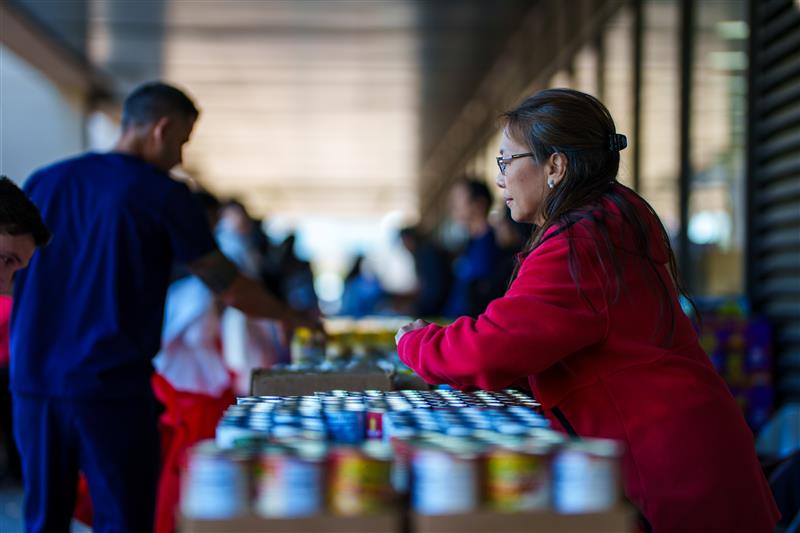
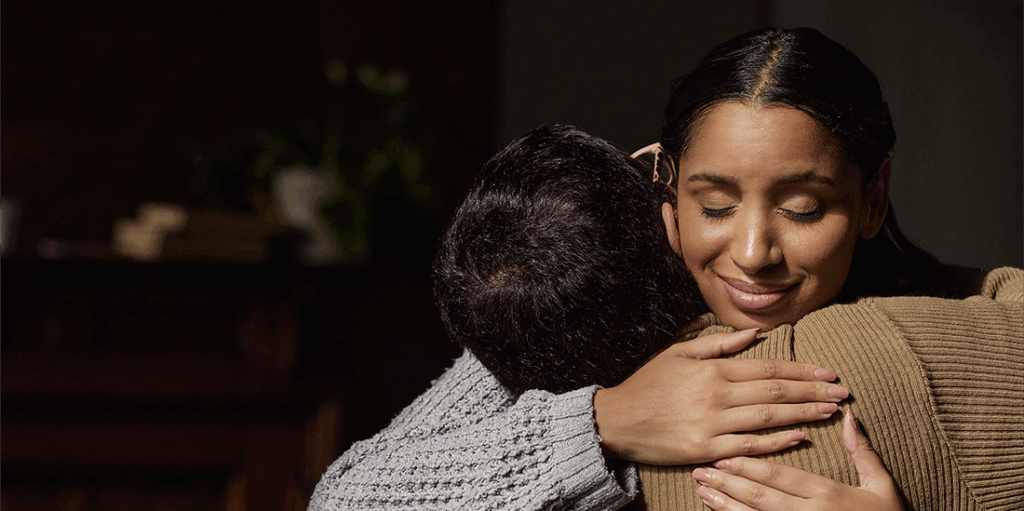
We deliver care where it’s needed most. Through pro bono clinics and community partnerships, SHP advances access, equity, and outcomes across New Jersey—empowering students and communities alike through initiatives from food justice to spinal cord injury recovery, proving that compassionate, hands-on care transforms lives.
IMPACT
Clinic Patient Care Hours
3,800
Clinic Student Service Hours
2500
Food Delivered
190k lbs.
DELIVERING COMPREHENSIVE COMMUNITY CARE
When the Rutgers School of Health Professions Department of Psychiatric Rehabilitation & Counseling Professions opened a mental health clinic in January 2025, it expanded the reach of SHP’s pro bono clinics to include behavioral health, filling an important gap in providing a continuum of care to its surrounding communities.
Through these community-based clinics, SHP provides primary care, rehabilitation, and now mental health services to populations who are often uninsured or underinsured and might otherwise go without.
The expanded network of community clinics reflects SHP’s commitment to holistic care —treating not just individual conditions, but the wider needs of its surrounding communities.
A Quiet Revolution in Mental Health: Celebrating 25 years of Psychiatric Rehabilitation
For 25 years, a quiet but powerful transformation has been taking place in New Jersey’s state psychiatric hospitals.
A Rutgers-based team has been steadily changing the way inpatient psychiatric hospitals treat those with serious and persistent mental illness, replacing outdated custodial care with evidence-based psychiatric rehabilitation and modern, recovery-oriented approaches.
Launched as a partnership between Rutgers School of Health Professions and the New Jersey Division of Mental Health and Addiction Services, the initiative’s goal is not just to stabilize those with mental illnesses, but to help them rebuild their lives and reenter the community.
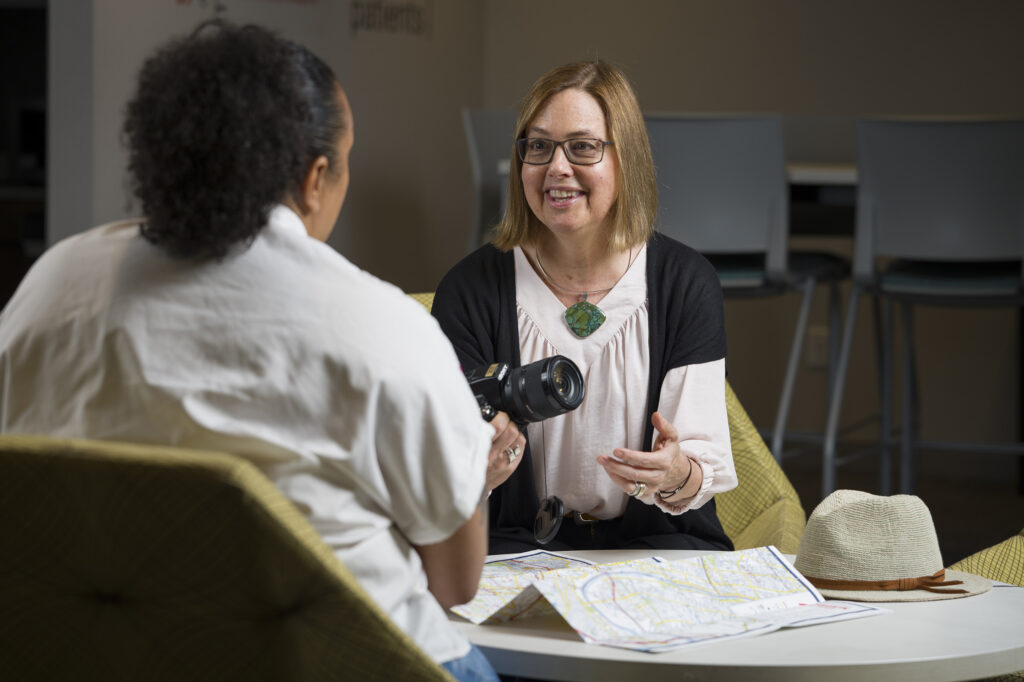
Through their eyes: Newark Mothers Explore Food Inequity Using Photography
When a Newark mother used a wheelchair to lower herself to her child’s eye level in the grocery store, what she saw startled her: row after row of ultra-processed snacks, sugary cereals, and brightly colored drinks—all within easy reach of a preschooler. “I couldn’t believe how everything was designed to target them,” she said.
That moment was sparked by a partnership between Rutgers School of Health Professions and a Newark Head Start agency using Photovoice—a participatory research method that empowers community members to document issues in their daily lives through photography. The project’s goal was not just to study food insecurity, but to help families in underserved areas question the systems that shape how and what their children eat.
“As a culture, we bombard low-income communities with advertisements for fast food and ultra-processed food,” said Pamela Rothpletz-Puglia, professor in preventive nutrition science and qualitative methods researcher. “This was about engaging people as experts in their own lives and helping them critically examine their food environments.”
True Grit: Helping Young People with spinal cord injuries reclaim independence
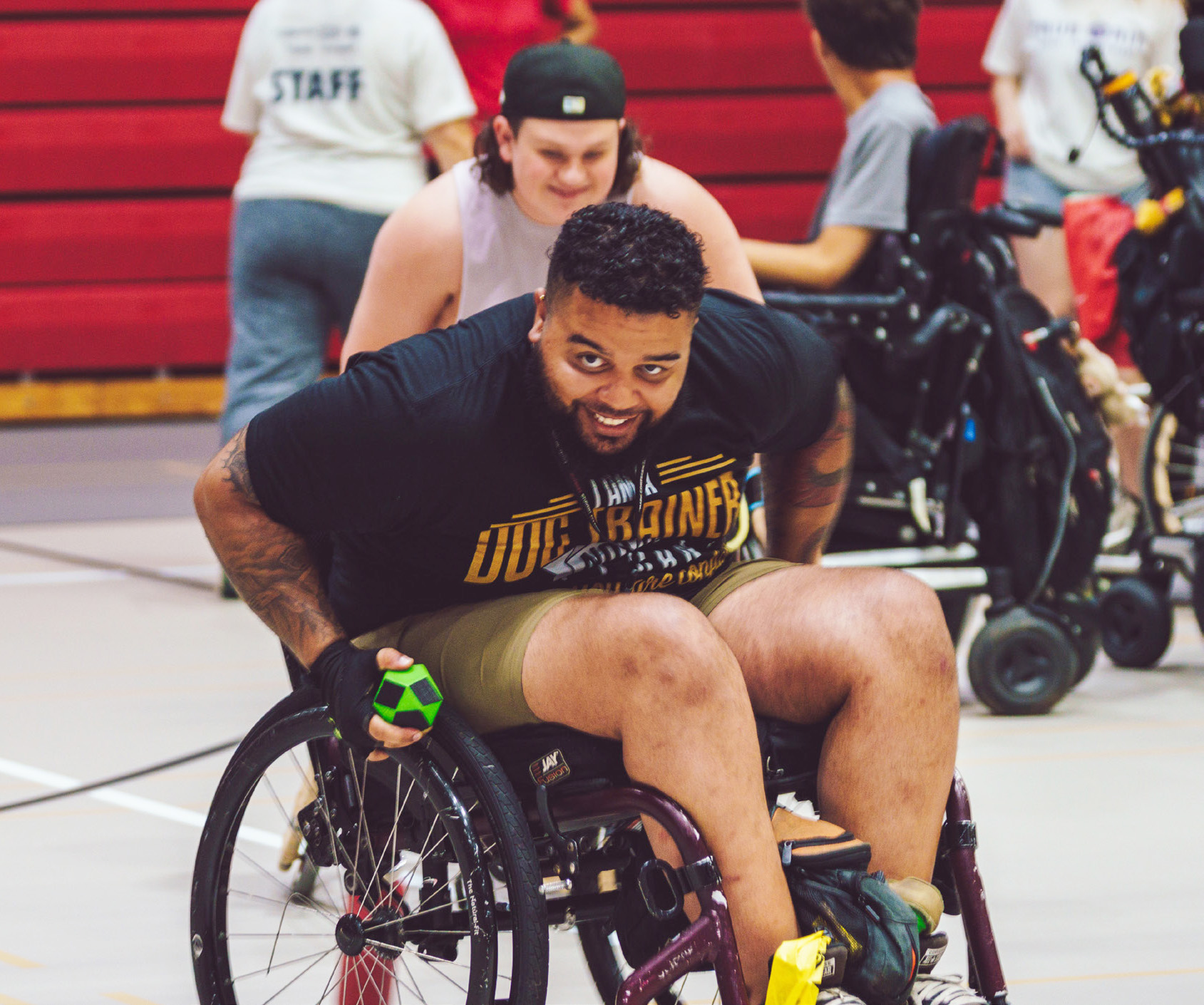
On a summer morning at Rutgers’ Livingston Campus, a group of teens and young adults in wheelchairs roll across the quad, heading to breakfast in the dorm dining hall. Later, some will take part in adaptive sports. Others will swap stories over coffee at the campus Starbucks.
All are part of True Grit—a first-of-its-kind residential summer camp that helps young people with spinal cord injuries rediscover confidence, community, and a sense of possibility.
Many of the participants, aged 16 to 21, were athletes before their injuries—football players, cheerleaders, competitors used to working in teams. Now, navigating life in a wheelchair, they’re coming together to build new teams, new routines—and hope for their future.